
You can build submarines

What does it actually take to build a submarine?
Submarines are some of the most advanced machines in the world. Built to survive one of the most extreme places on Earth, they take thousands of people working together to bring them to life. From designing and engineering to welding, machining, and building, every step matters. They look impressive, but what it takes to build them is even more amazing.
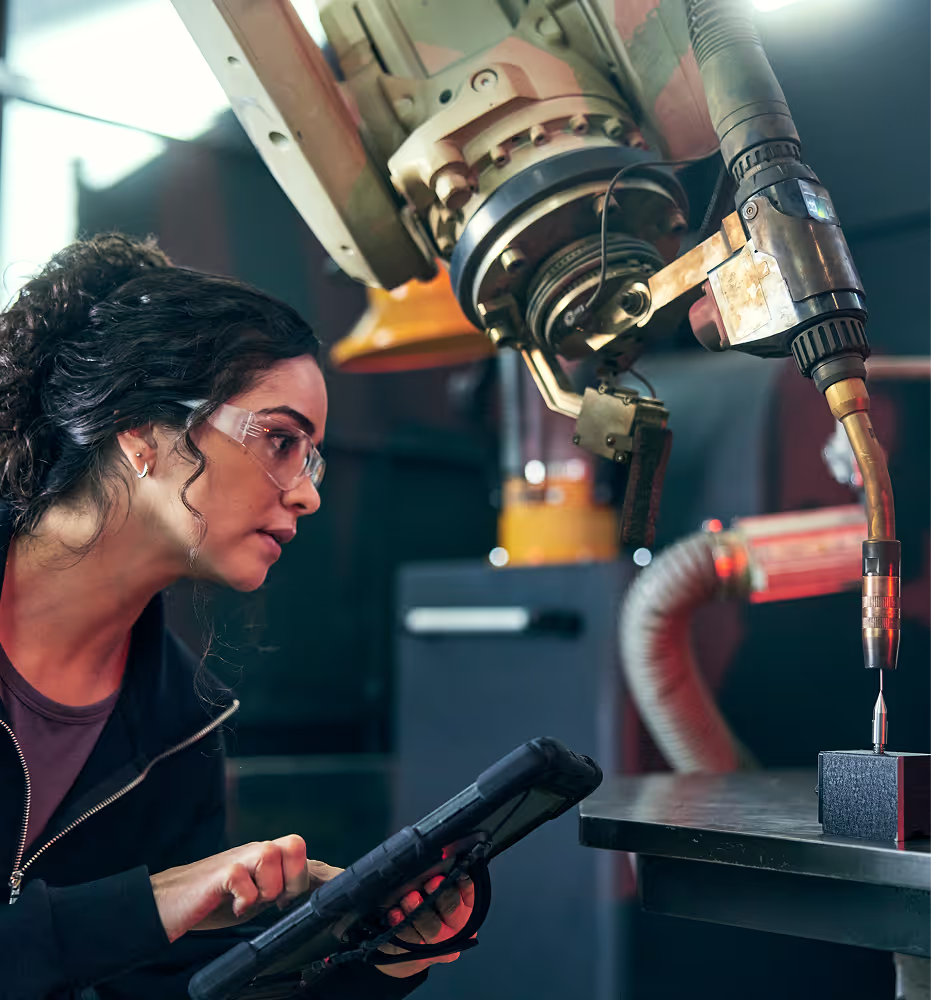
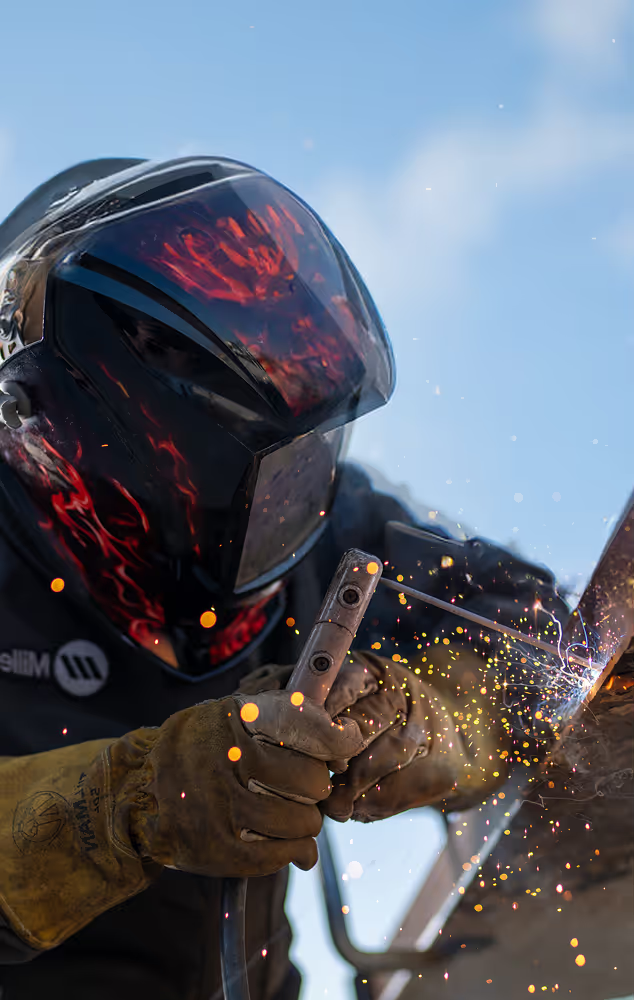
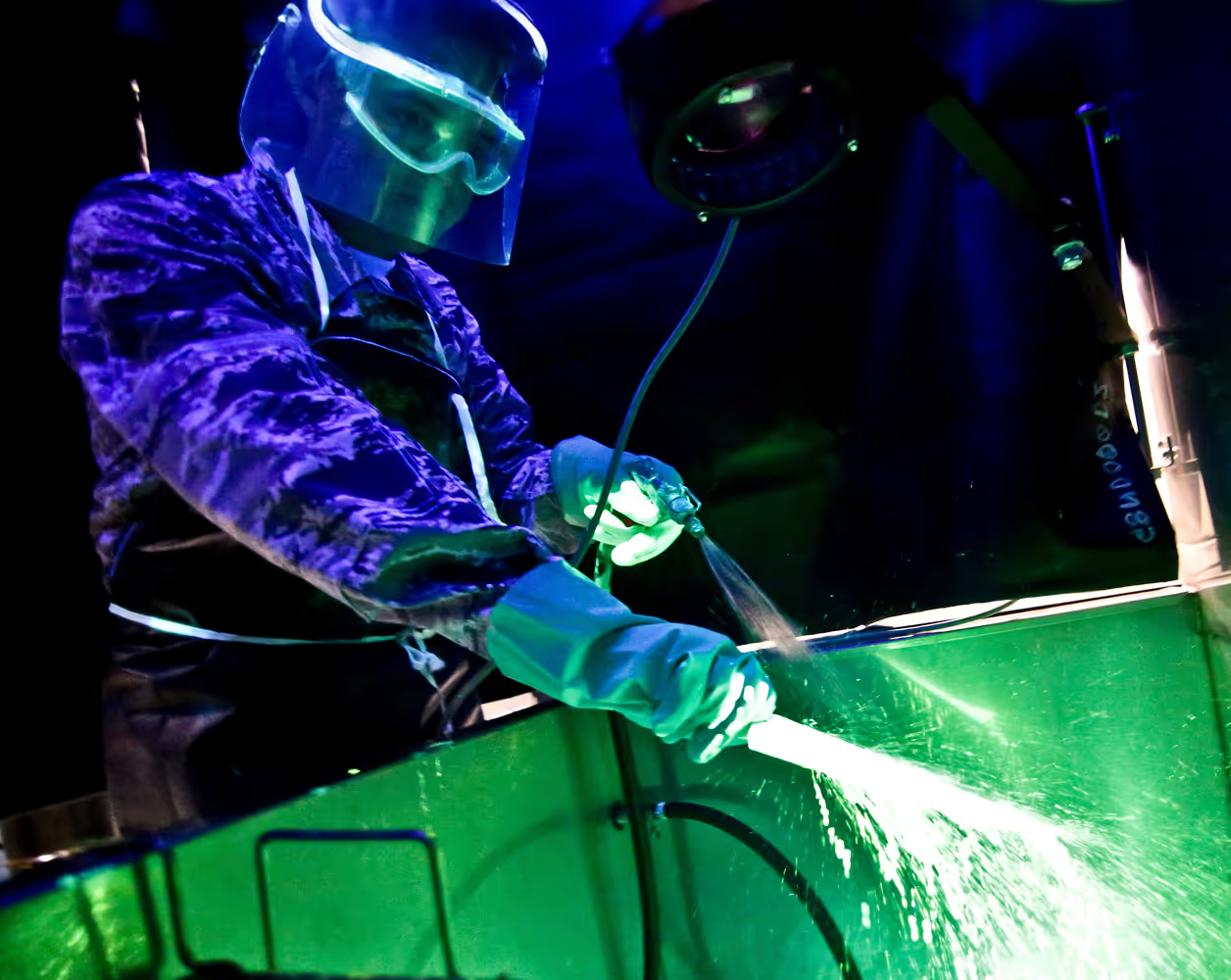
Careers for every interest
No single person builds a submarine. It takes thousands of people with different skills, backgrounds, and points of view. No matter what you’re into there’s a career that matches your interests.
Think you know submarines? Think again.
Before you build one, you should probably know what you're working with.
At 377 feet, a Virginia-class submarine is longer than two Statues of Liberty stacked toe to torch. A Columbia-class stretches even further at 560 feet, the length of one and a half football fields or six basketball courts!
A submarine can dive more than 800 feet underwater — deep enough to stack two Empire State Buildings on top of each other and still not break the surface.
Nuclear submarines can stay underwater forever. The only thing that brings them back up is the crew running low on food.
Modern subs are engineered to be nearly silent underwater. Some are so quiet they're harder to detect than a school of fish.
A submarine can travel over 25 miles per hour underwater — fast enough to outrun a great white shark. That's incredible speed for a machine that weighs nearly 8,000 tons.
A fully loaded Virginia-class sub weighs around 7,900 tons which is about the same as 1,300 adult elephants.
Submarines don't carry air tanks, they make fresh oxygen onboard from seawater using a process called electrolysis. The crew literally breathes water.
A single submarine takes around 2 years to build and takes thousands of builders; that’s about the size of a whole school district working on one machine.
How you can get started
You don’t need to have it all figured out yet. Most people start by exploring what they enjoy, like building things, working with technology, solving problems, or learning how things are made. There are a lot of ways to start building real-world skills, even before you choose a path. There are hundreds of training programs across the country that can help you build the skills needed to work on submarines — some in just a few months.
Helping a Student Find Their Path?
Submarine building brings together skilled trades, advanced technology, engineering, and design — and it needs the next generation to keep it going. Students don’t always realize how their interests can connect to real careers. Early exploration can help them make those connections, opening the door to careers they may not have considered.
BuildSubmarines.com has resources to help you guide that conversation whether you're a parent, teacher, counselor, or mentor.